Cold chain in East Africa: how temperature monitoring protects your loads
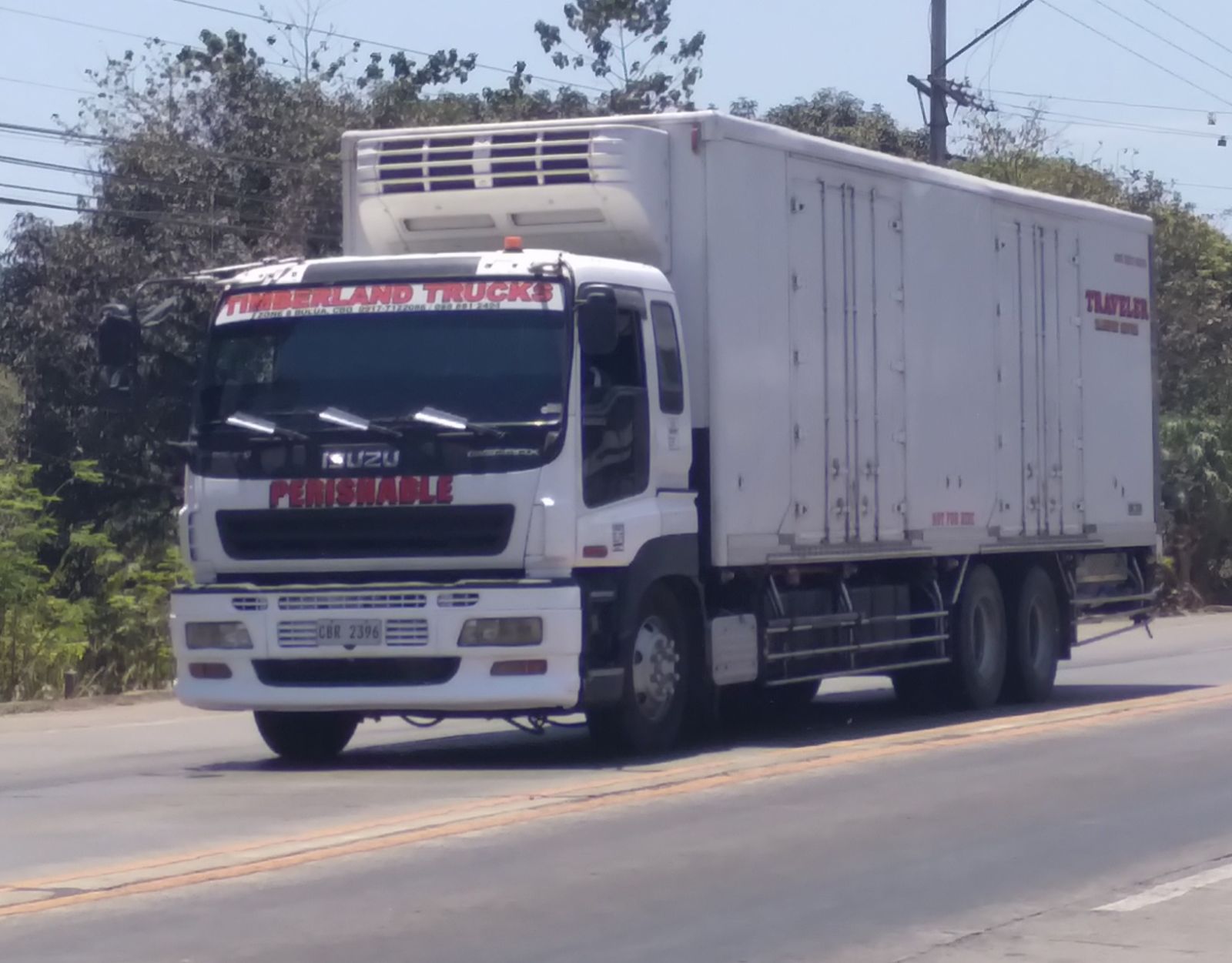
Long routes, hot days, border waits and fuel-saving drivers make keeping cargo cold one of the hardest jobs in East African logistics. Here is where the cold chain usually breaks — and how live temperature monitoring catches it in time.
Where the cold chain breaks
Most spoiled loads are not caused by a broken refrigeration unit. They are caused by small, everyday things that nobody sees until the cargo is rejected:
- The refrigeration unit is switched off to save fuel, then switched back on before arrival.
- Doors are opened for too long at stops, checkpoints and deliveries.
- Pre-cooling is skipped, so warm cargo is loaded into a warm box.
- Long waits at borders, weighbridges and loading bays in the midday heat.
- Overloading the box, which blocks the air flow around the cargo.
Know the range your cargo needs
Every product has a safe range. Agree it with your customer before the trip, and set it as the alert range on the platform. Typical ranges are:
| Cargo | Typical range |
|---|---|
| Vaccines and many medicines | 2 °C to 8 °C |
| Fresh milk and dairy | Below 4 °C |
| Fresh meat and fish (chilled) | 0 °C to 4 °C |
| Frozen food | −18 °C or colder |
| Cut flowers | About 2 °C to 5 °C |
Always follow the range your customer or the product's manufacturer gives you — it can differ from these.
What live temperature monitoring changes
With digital probes in the cargo area connected to the GPS tracker, the temperature travels with the truck's position. That gives you three things paper logs and simple thermometers can't:
1. You find out during the trip, not at delivery
When the temperature leaves the safe range, the platform sends an alert with the truck's location. A call to the driver can save the load while there is still time.
2. You see the cause
Because the temperature is tied to time and place, you can see if it rose while the truck was parked with the engine off, during a long stop, or steadily on the road — and fix the real problem.
3. You can prove the load stayed cold
A temperature report for the trip, from loading to delivery, is strong evidence for your customer — and for you when a claim is made.
Tip: put one probe near the refrigeration unit and one near the doors. The difference between them shows whether the cold air is really reaching the whole load.
Getting started
Start with your highest-value or most sensitive routes. Fit probes, set the range for each truck, and choose who receives the alerts. After a few weeks of reports, you will know which trucks, drivers and routes need attention.
Read more about Data Drive temperature monitoring.